Pool Era field notes · Florida pools
Getting a Florida Pool and Screen Enclosure Ready for a Hurricane
A storm is in the forecast and you're wondering whether to drain the pool? Don't. In Florida, an empty pool can be at more risk than a full one.
Here is the Florida Swimming Pool Association's advice for before and after a storm.
When
Six months of season.
Atlantic hurricane season runs from June 1 to November 30.[1] Make your pool plan early, before a storm has a name.
Before
Before the storm.
- Keep it full. The Florida Swimming Pool Association (FSPA) says not to drain your pool. The weight of the water helps keep it from being pushed out of the ground by Florida's high water table.
- Shock the water. FSPA suggests super-chlorinating in case the power goes out and the pump can't run.
- Power down. Turn off the breakers and cover electrical equipment.
- Move loose items. Bring furniture and toys inside. If furniture can't come in, FSPA says you may gently set it in the pool, and notes that pool chemicals may damage it.[2]
Screen enclosure
Give the screen enclosure a look.
Screen enclosures catch a lot of wind. Before the season, walk around yours: look for torn panels, loose fasteners and gaps at the base, and store anything that could blow into it.
Some enclosures are built with panels meant to come off before high winds. Follow the directions from the company that built yours, and do not climb on the enclosure when a storm is coming.
After
After the storm.
- Make sure the breakers are off before you reconnect pumps and other equipment.
- Test and balance the water. You may need to shock it.
- If rain overfilled the pool, drain it down to its normal level, no further.
- Don't fully drain it without expert advice. FSPA says a drained pool is exposed to pressure from the soaked ground.[2]
FSPA also says pump repairs should be done by a licensed pool contractor, and that a license can be checked at myfloridalicense.com.[2]
Every pool and site is different. See Pool Era in Florida for what we do there.
Related
More field notes
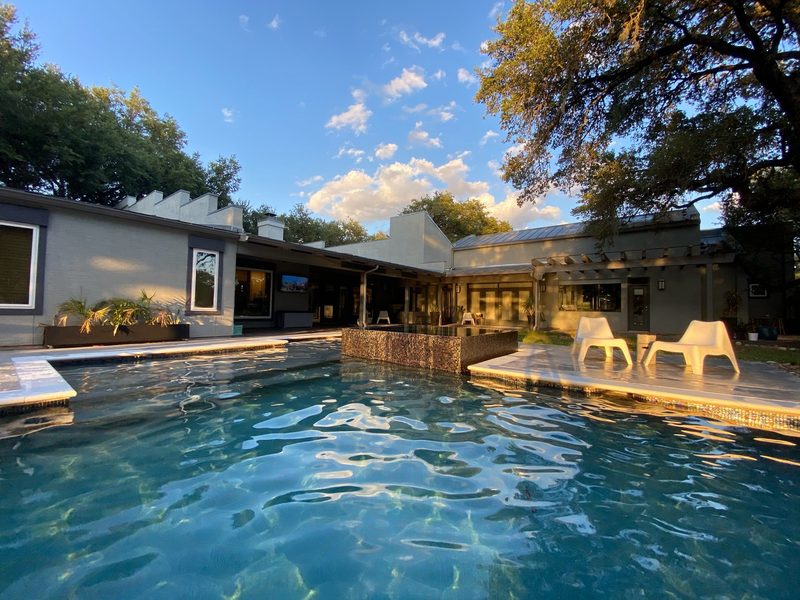 Florida poolsFlorida Pool Barrier Law (Chapter 515), in Plain WordsThe five safety options, barrier height and gate rules, in plain words.Read
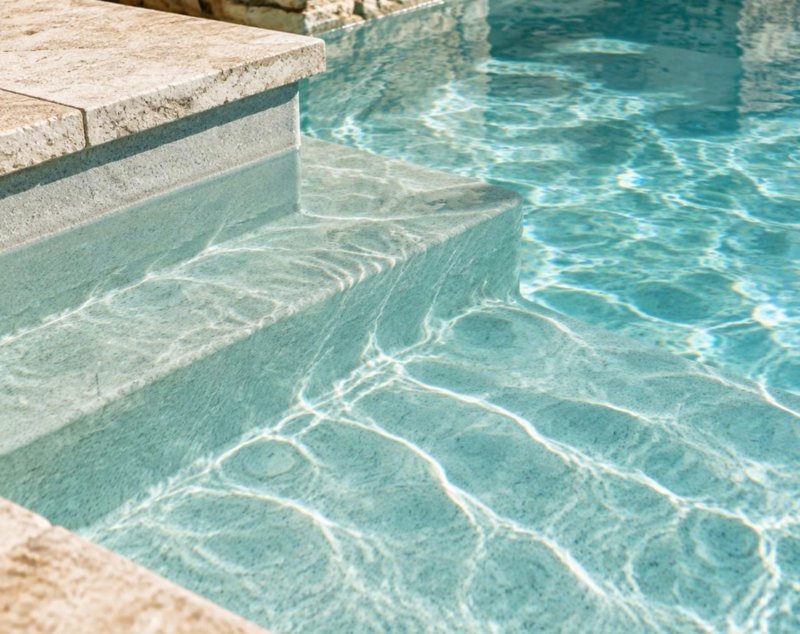 Finishes and renovationThe First 28 Days After New Pool PlasterFilling, brushing and chemistry for a new finish, step by step.Read
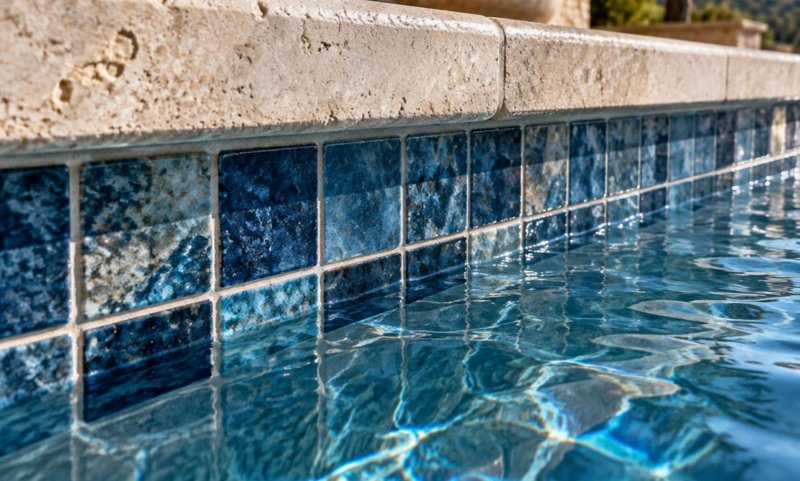 Care and ownershipHard Water and White Scale on Pool TileWhy white crust builds up on tile, and how to slow it down safely.Read
Sources
Where these facts come from
- NOAA National Hurricane Center: hurricane season dates
- Florida Swimming Pool Association: Hurricane Preparedness
Sources checked October 25, 2026. Florida law and local codes change; check the current statute and your county before you build.
Before you rely on this. This field note is general information, not professional, engineering or legal advice. Every pool and every site is different. What Pool Era does on your project, how and with what warranty, is only what your written agreement says. Local codes and HOA rules change, so check with your city, county or HOA before you rely on anything here. Website terms