Pool Era field notes · Florida pools
Florida Pool Barrier Law (Chapter 515), in Plain Words
Building a pool in Florida and not sure what the safety rules ask for? Florida's Residential Swimming Pool Safety Act spells out what a new home pool needs before it passes final inspection.
Here it is in plain words, with a link to the full text so you can check it.
The rule
Every new home pool needs a safety feature.
To pass final inspection and get a certificate of completion, Florida law says a new home pool must meet at least one of five safety options.[1]
- A barrier that separates the pool from the home and meets the barrier rules in s. 515.29.
- An approved safety pool cover that meets ASTM standard F1346-91.
- Exit alarms on every door and window with direct access from the home to the pool, rated at least 85 dB A at 10 feet.
- Self-closing, self-latching doors to the pool, with the release at least 54 inches above the floor.
- A pool alarm in the water that sounds when someone enters it, certified to ASTM F2208.[1]
Barriers
What a barrier has to meet.
- At least 4 feet high on the outside.
- No gaps, openings or footholds that would let a young child crawl under, squeeze through or climb over.
- Gates that open outward, away from the pool, are self-closing and self-latching, and have the release on the pool side, out of a young child's reach.[1]
Why
Why the law is strict.
The Florida Department of Health says drowning is the leading cause of unintentional death for Florida children ages 1 to 4.[2]
Under the statute, a person who fails to equip a new home pool with a safety feature commits a second-degree misdemeanor. The law drops the penalty if, within 45 days, the pool gets a safety feature and the person attends a drowning-prevention program.[1]
Layers
More than one layer helps.
The law asks for at least one feature. Many families choose more than one, such as a fence plus door alarms. The CPSC's barrier guidelines describe fencing a pool on all sides with self-closing, self-latching gates.[3]
Local codes can add to the state rules, and rules change. Check with your county or city building department before you build. This guide is a summary, not legal advice. See Pool Era in Florida for what we do there.
Related
More field notes
 Florida poolsGetting a Florida Pool and Screen Enclosure Ready for a HurricaneWhy you keep it full, what to do with power and furniture, and what to check after.Read
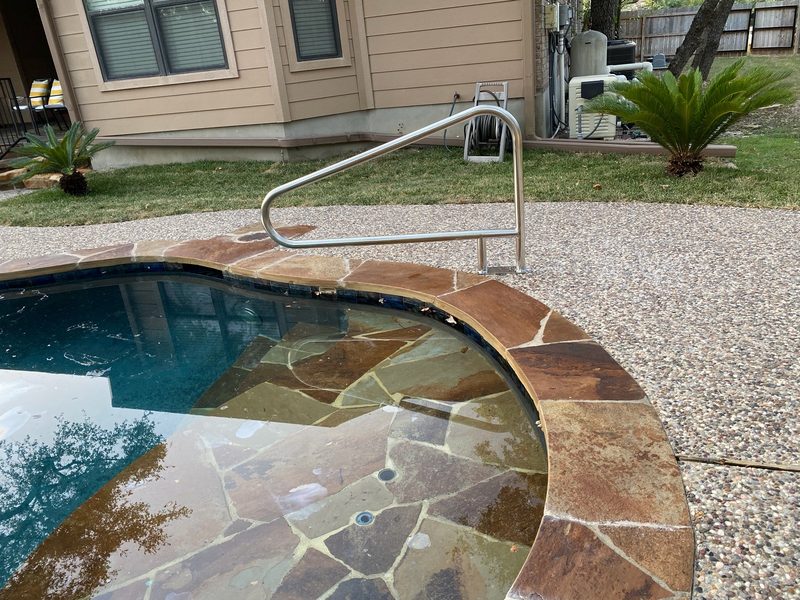 Finishes and renovationPlaster, Quartz or Pebble: Choosing a Pool Finish in the Hill CountryHow plaster, quartz and pebble differ in feel, lifespan and upkeep with hard water.Read
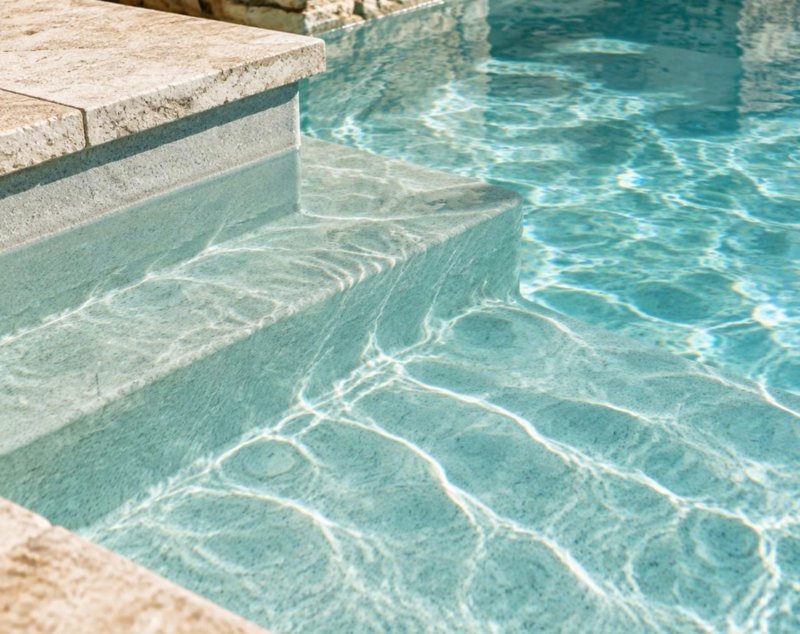 Finishes and renovationThe First 28 Days After New Pool PlasterFilling, brushing and chemistry for a new finish, step by step.Read
Sources
Where these facts come from
- Florida Statutes, Chapter 515: Residential Swimming Pool Safety Act (2023)
- Florida Department of Health: Drowning Prevention
- U.S. Consumer Product Safety Commission: Safety Barrier Guidelines for Residential Pools (Pub. 362)
Sources checked October 25, 2026. Florida law and local codes change; check the current statute and your county before you build.
Before you rely on this. This field note is general information, not professional, engineering or legal advice. Every pool and every site is different. What Pool Era does on your project, how and with what warranty, is only what your written agreement says. Local codes and HOA rules change, so check with your city, county or HOA before you rely on anything here. Website terms