Pool Era field notes · Finishes and renovation
Signs It's Time to Replaster Your Pool (and When It Isn't)
Rough spots on your feet, stains that won't brush off, or a finish that just looks tired? Some of those mean it is time to replaster. Some can be fixed with water care or a repair.
Here is how to tell which is which.
How long finishes last
Age alone is not the answer.
The National Plasterers Council says pool plaster can last up to 20 years with proper care.[1] Pebble Technology International, a pebble-finish maker, says plaster needs refinishing every 5 to 10 years.[2] Much of the gap between those numbers comes down to care: water balance, brushing and how the finish was started up.
Signs
Signs a finish may be near its end.
- Rough texture. The surface feels like sandpaper and snags swimsuits, even when the water is balanced.
- Worn-through spots. Patches where the finish has worn thin and a darker layer shows through.
- Hollow or flaking areas. Spots that sound hollow when tapped, or have started to flake or peel.
- Stains that stay. Marks that do not lift with brushing or a proper water treatment.
- Cracks with water loss. Cracks in the shell can let water out. They need a closer look before any new finish goes on.
One sign alone may not mean a full replaster. A pro can often tell you whether a repair, a cleaning or a water fix will buy you more time.
Not yet
When it may just be the water.
Hill Country water is hard. The San Antonio Water System says its typical hardness is 15 to 20 grains per gallon.[3] When pH and alkalinity run high, that calcium can settle out as white scale or rough spots. Sometimes the roughness is scale sitting on a sound finish, not a worn-out finish.
Before you book a replaster, have the water tested and the surface looked at. Our guide to hard water and white scale explains what to look for.
If you replaster
Plan the refill.
A new finish means draining and refilling the pool, and the first month matters. The National Plasterers Council says a new finish is especially likely to stain, scale or discolor in the first 28 days.[4]
Pick a date with your water provider's drought stage in mind. Our drought guide covers how the stages work.
Every pool is different, so a replaster scope is written for your pool after someone has seen it.
Related
More field notes
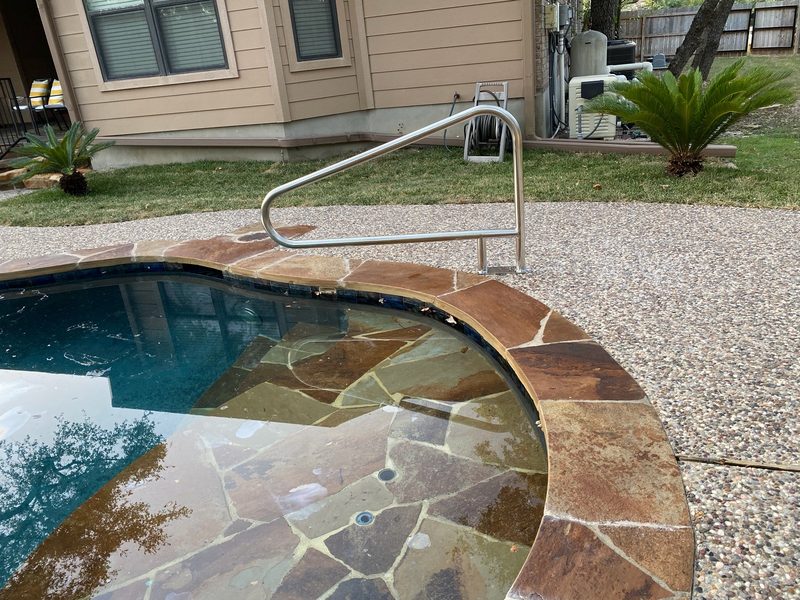 Finishes and renovationPlaster, Quartz or Pebble: Choosing a Pool Finish in the Hill CountryHow plaster, quartz and pebble differ in feel, lifespan and upkeep with hard water.Read
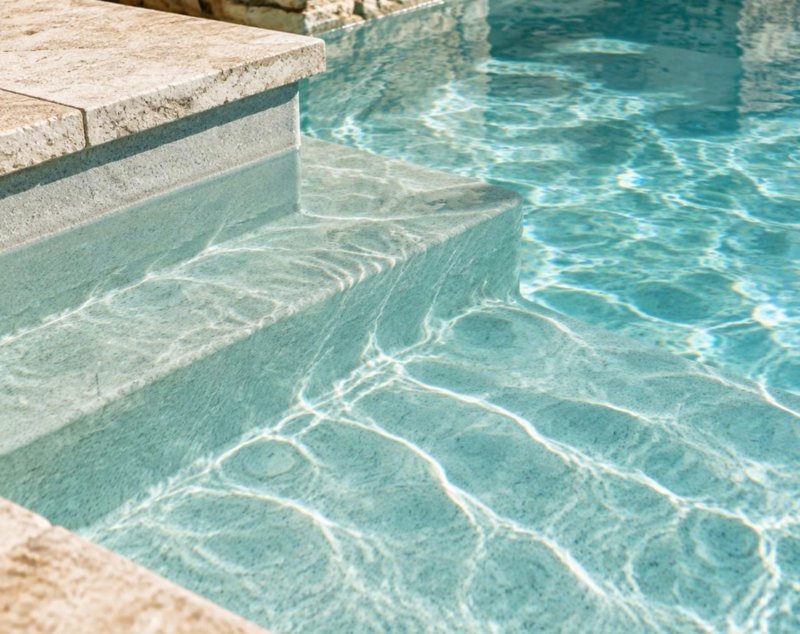 Finishes and renovationThe First 28 Days After New Pool PlasterFilling, brushing and chemistry for a new finish, step by step.Read
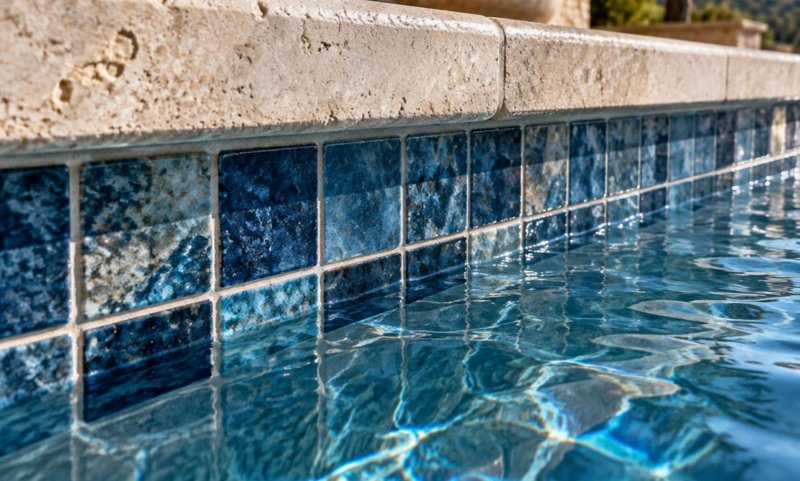 Care and ownershipHard Water and White Scale on Pool TileWhy white crust builds up on tile, and how to slow it down safely.Read
Sources
Where these facts come from
- National Plasterers Council: Pool plaster FAQ
- Pebble Technology International: How long does a pebble pool finish last?
- San Antonio Water System: Water quality FAQs (hardness)
- National Plasterers Council: Pool Start-Up Procedures card (2023)
Sources checked October 25, 2026. Rules, fees and water stages change; check the source before you rely on a number.
Before you rely on this. This field note is general information, not professional, engineering or legal advice. Every pool and every site is different. What Pool Era does on your project, how and with what warranty, is only what your written agreement says. Local codes and HOA rules change, so check with your city, county or HOA before you rely on anything here. Website terms